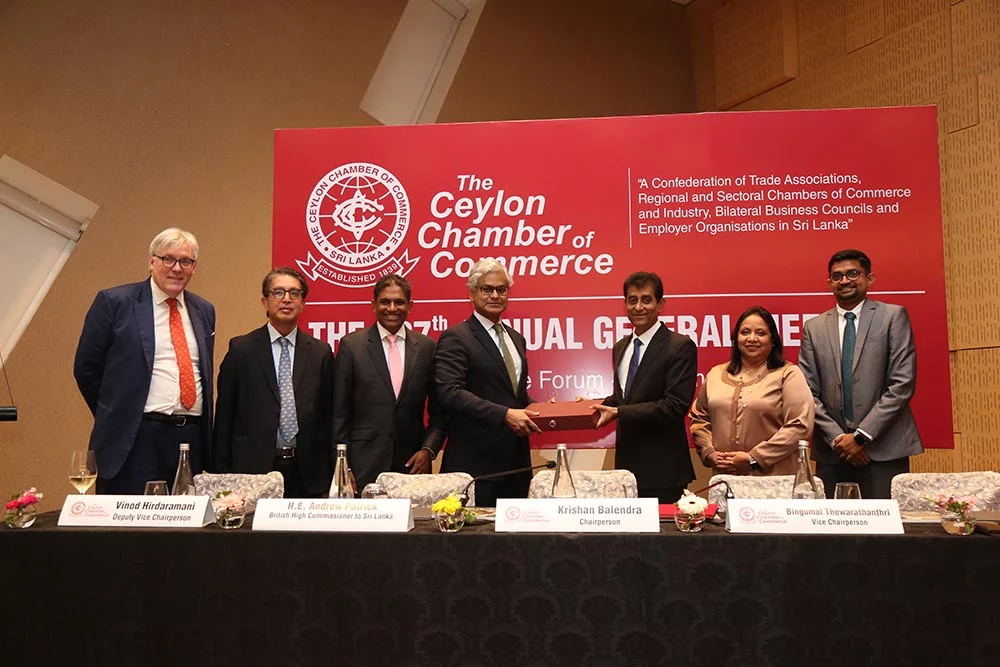
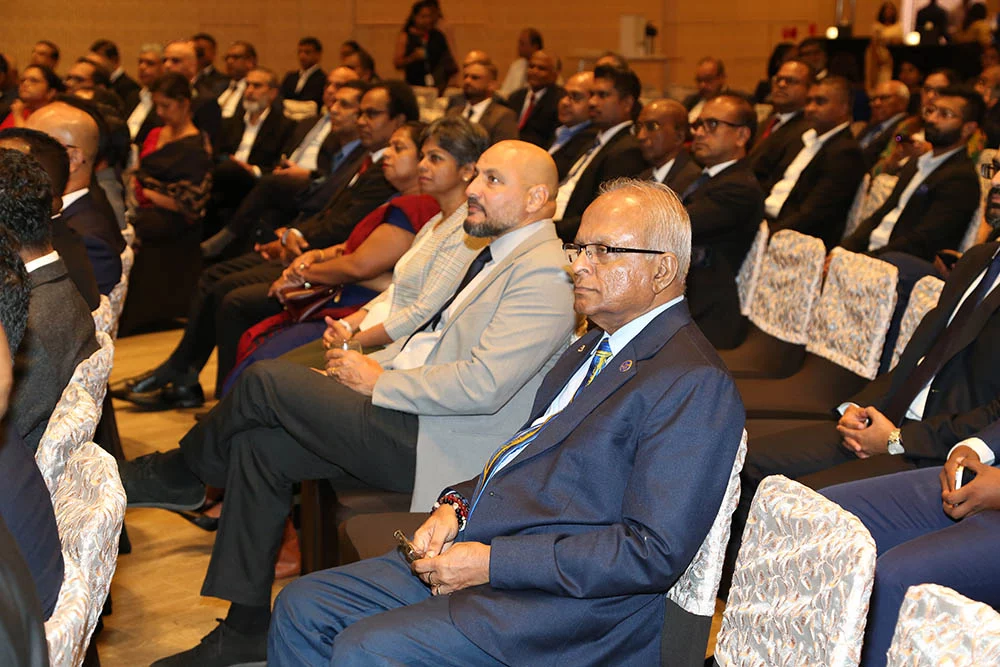
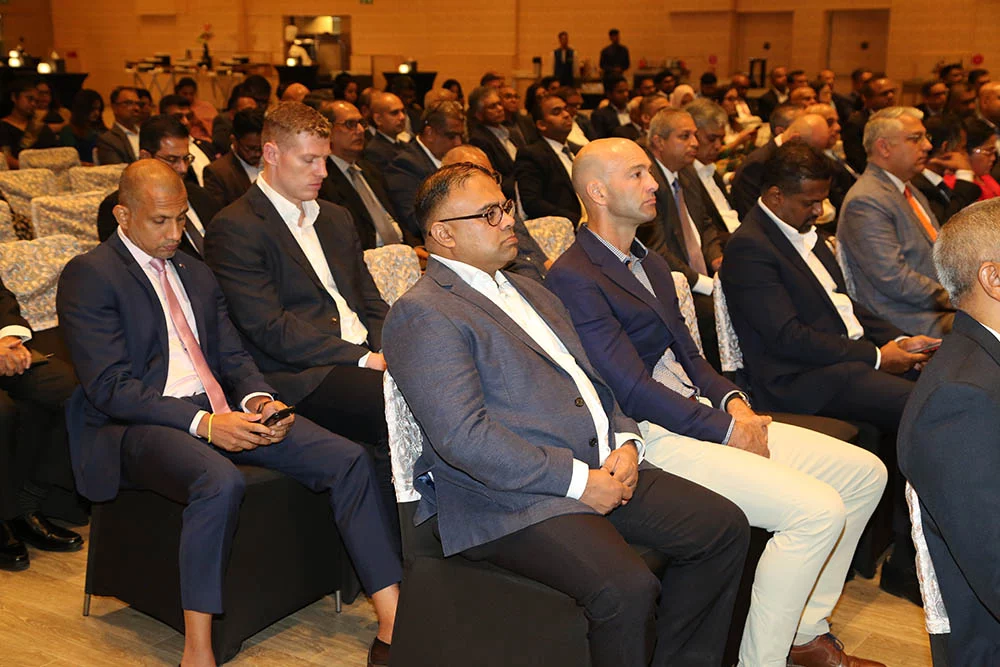
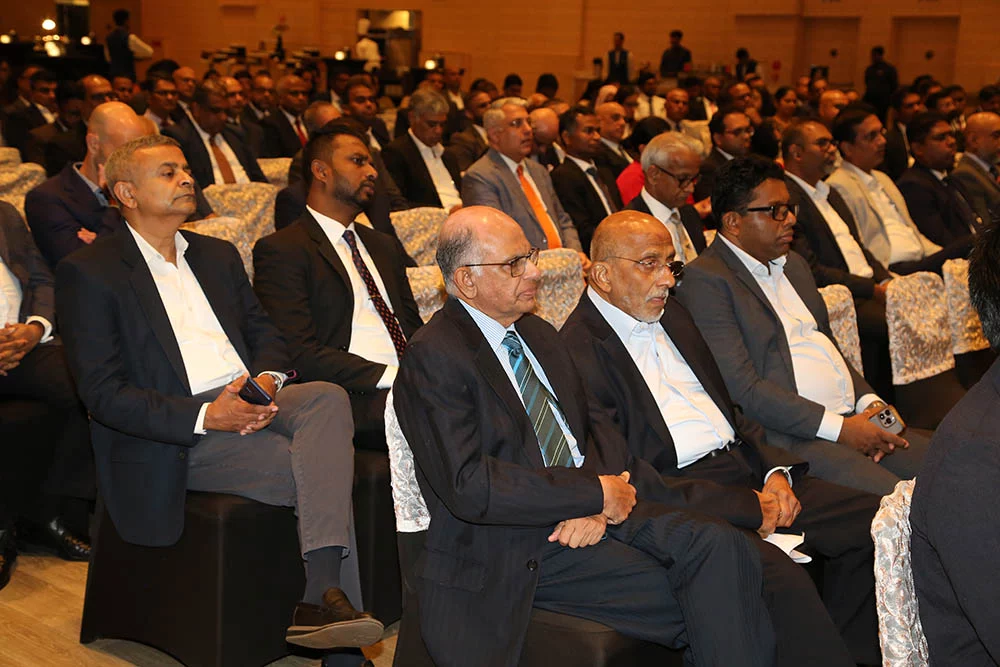
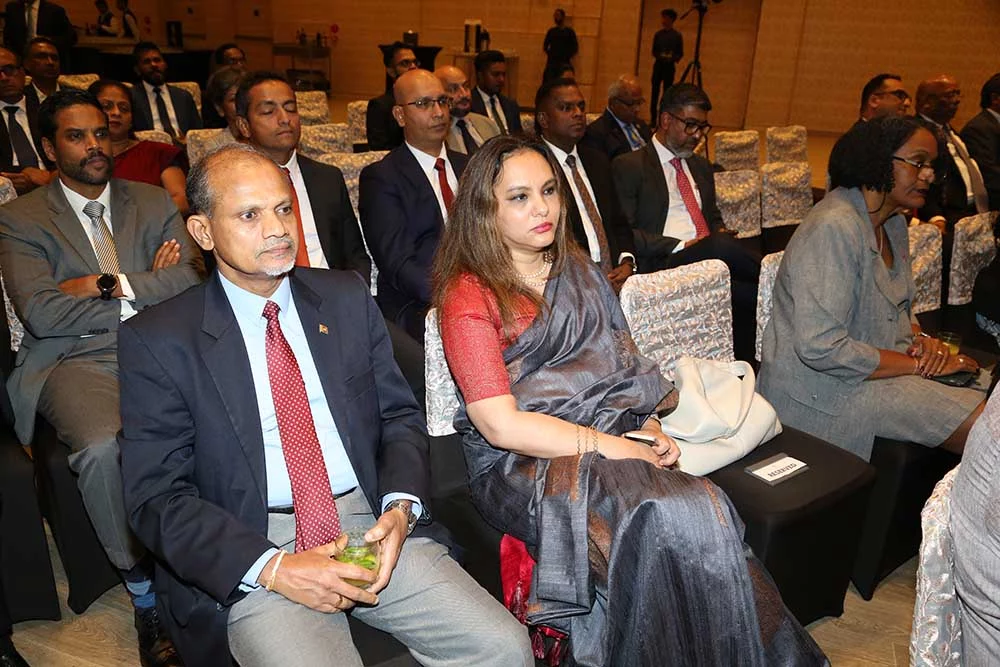
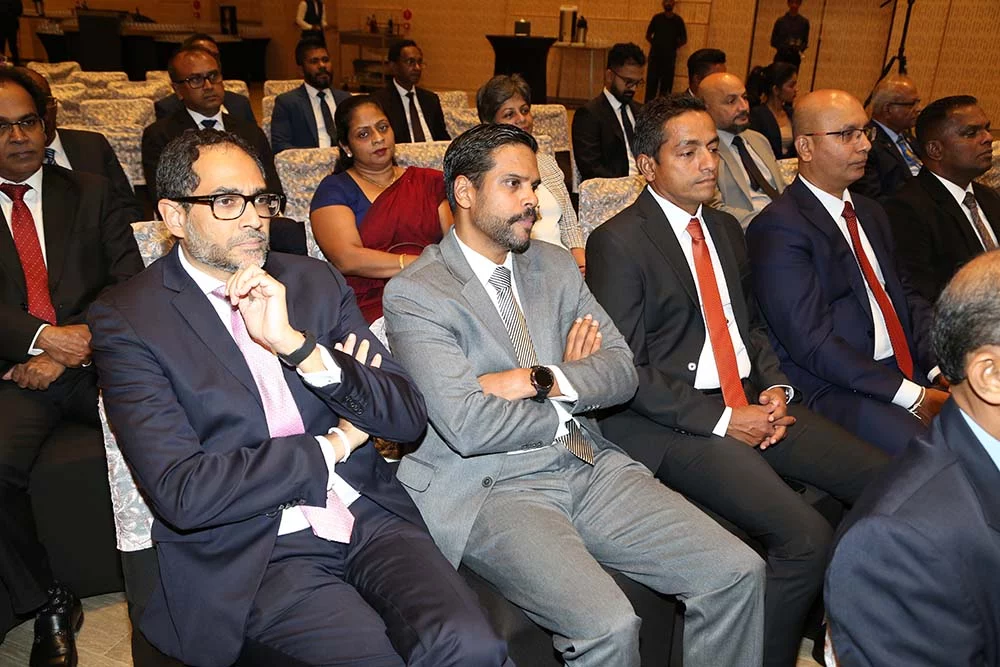
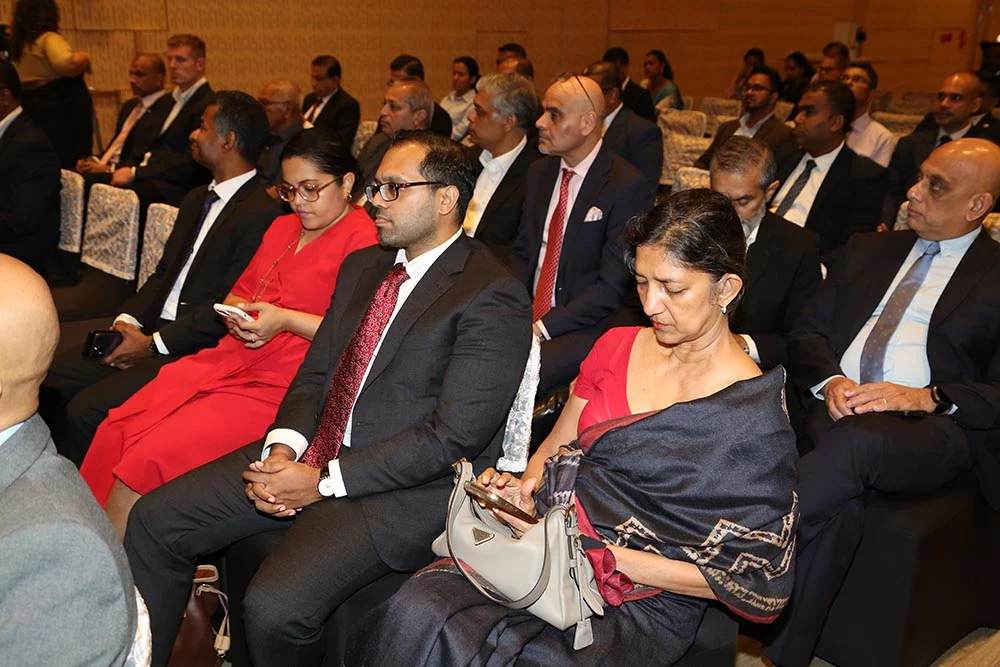
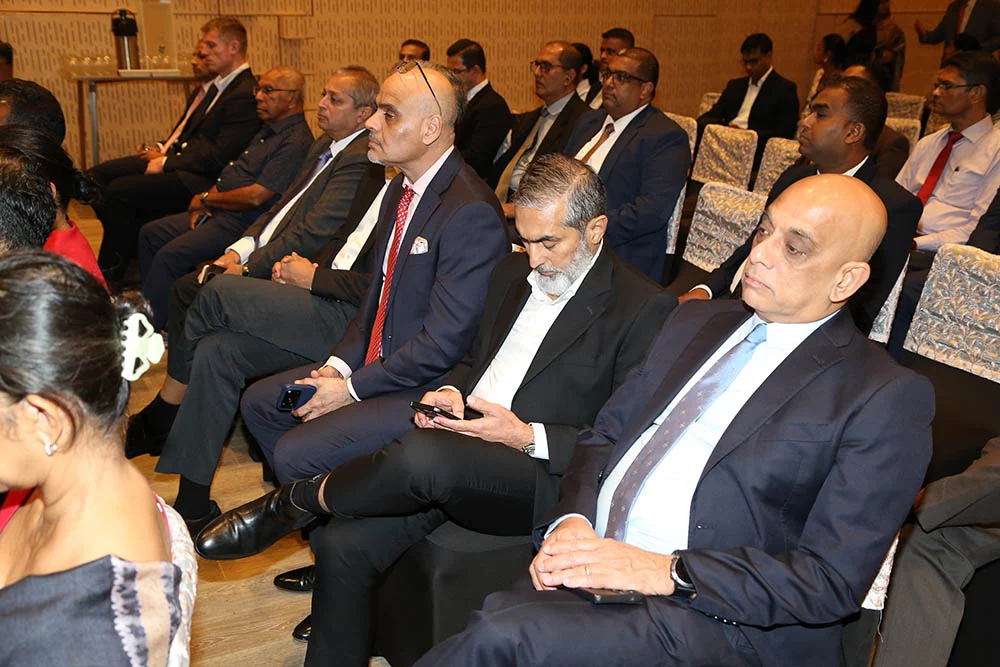
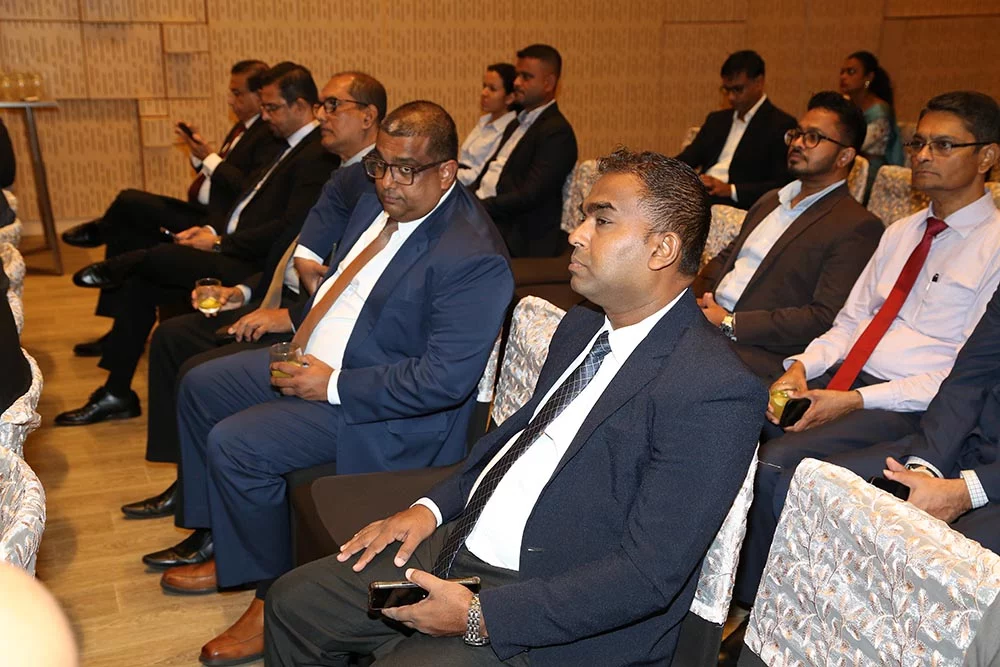
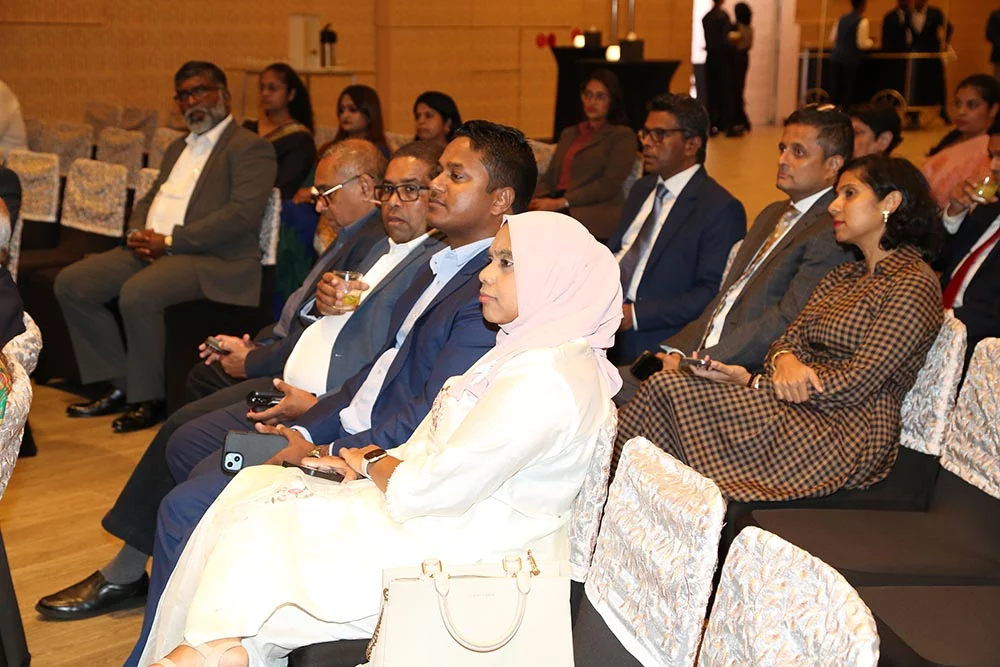
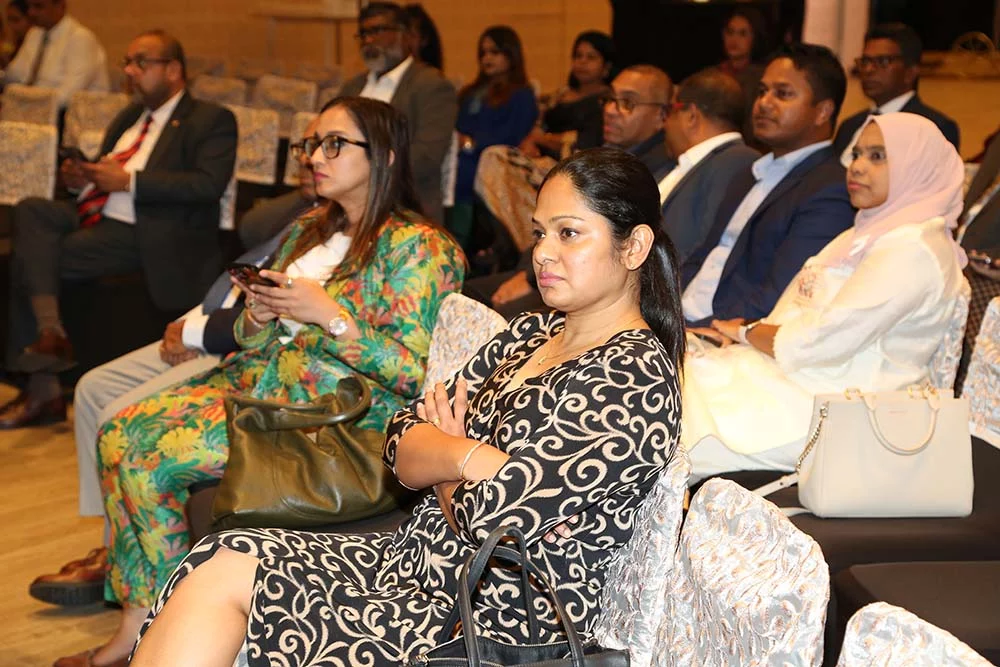
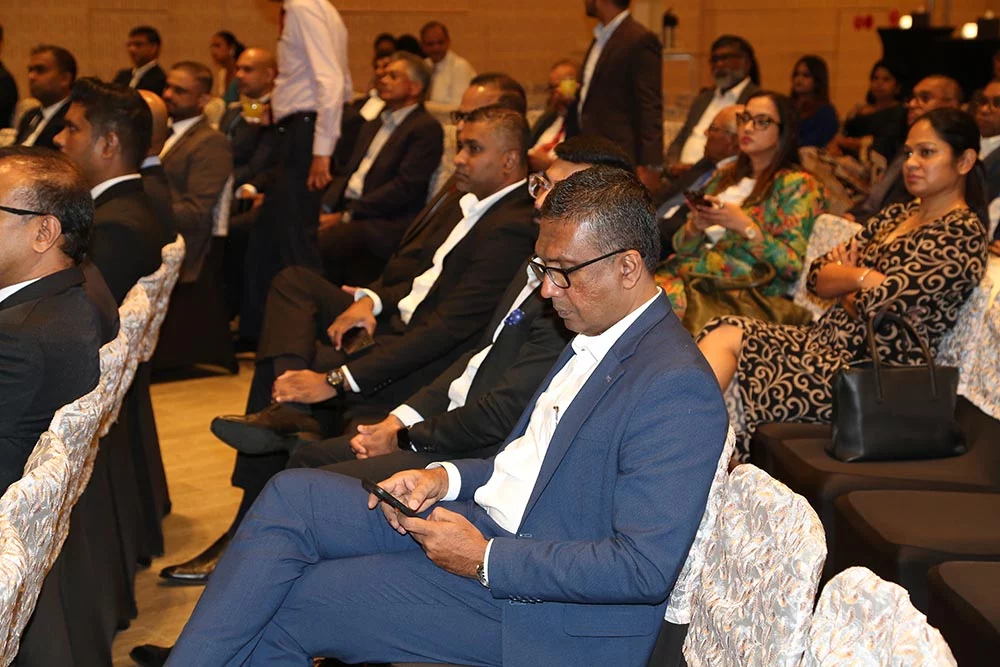
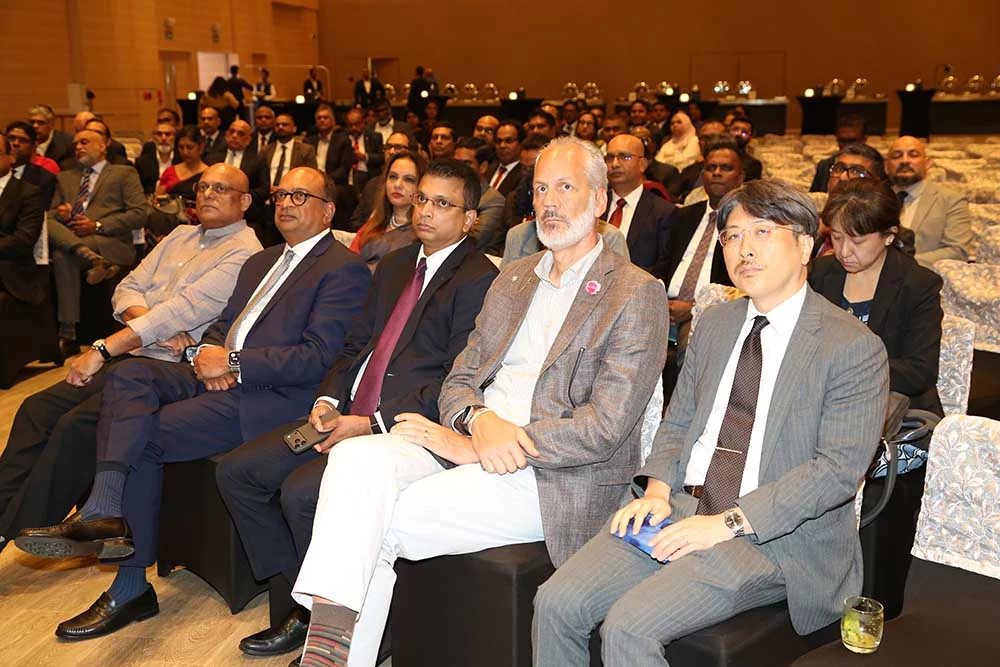
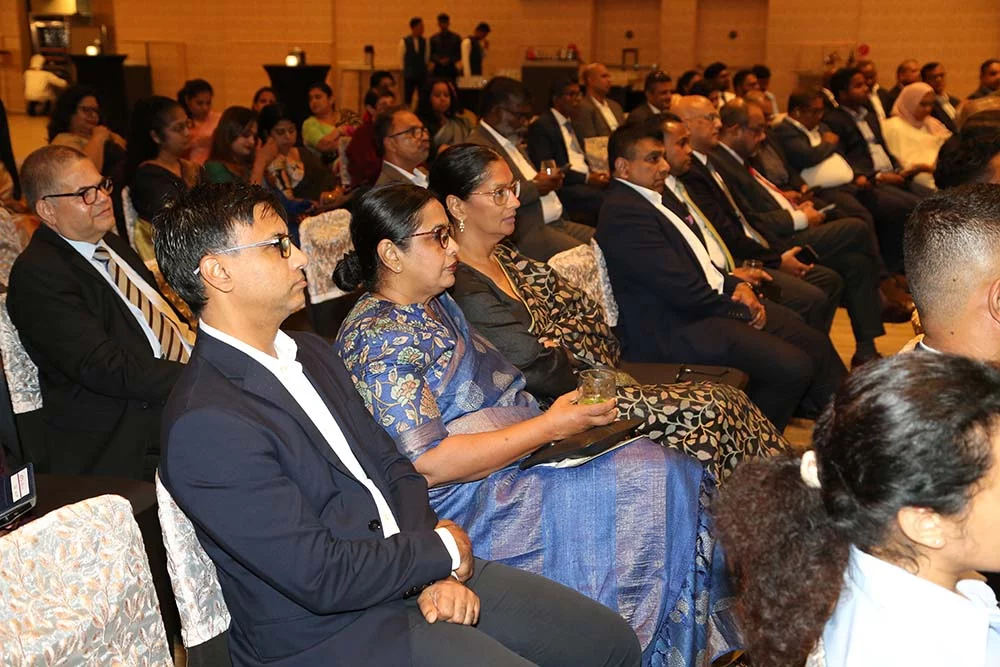
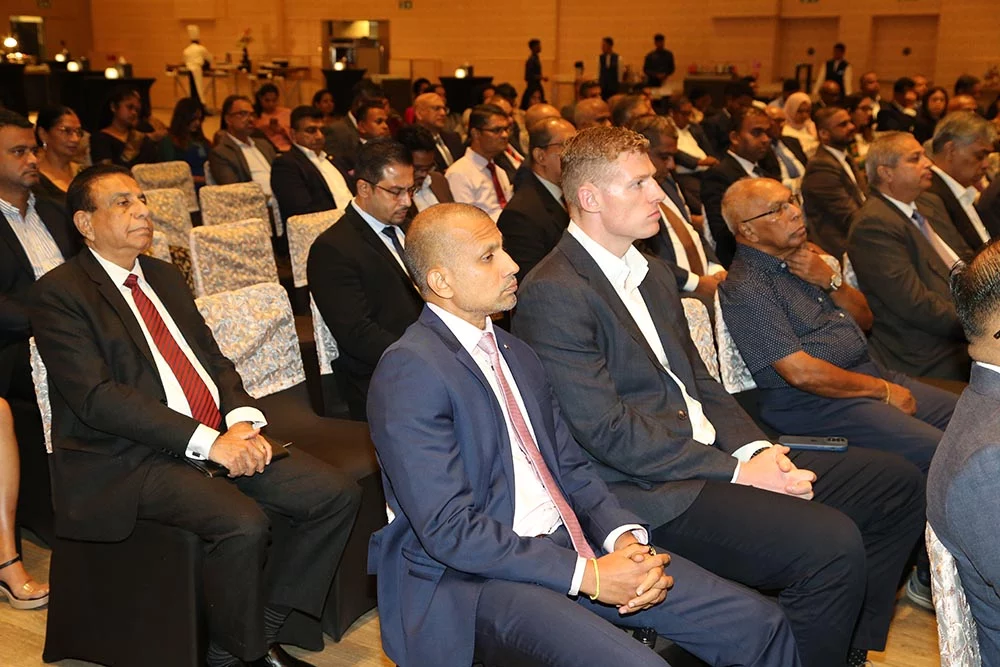
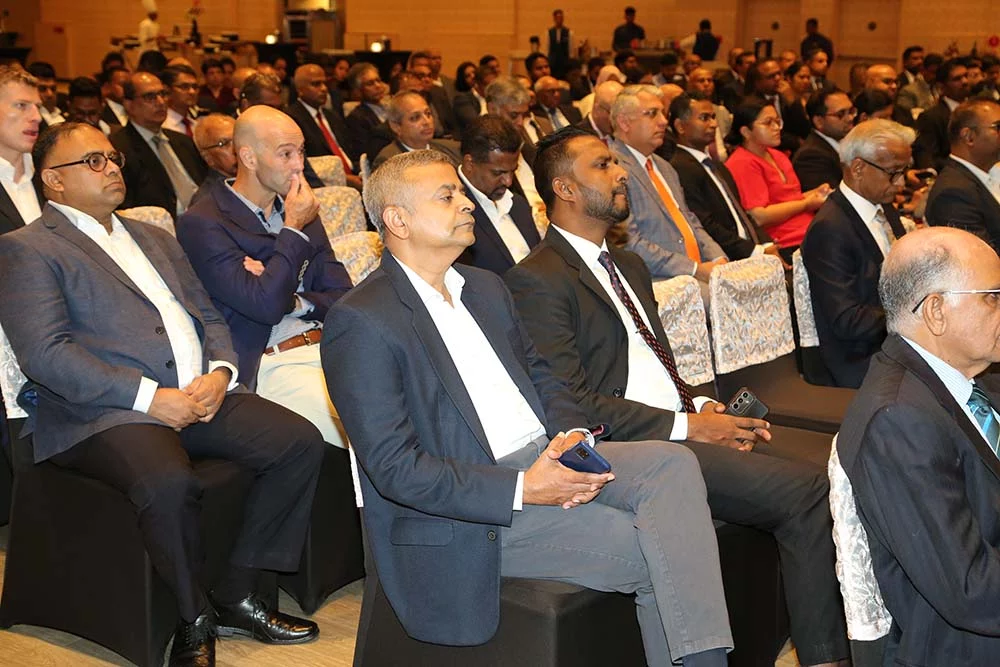
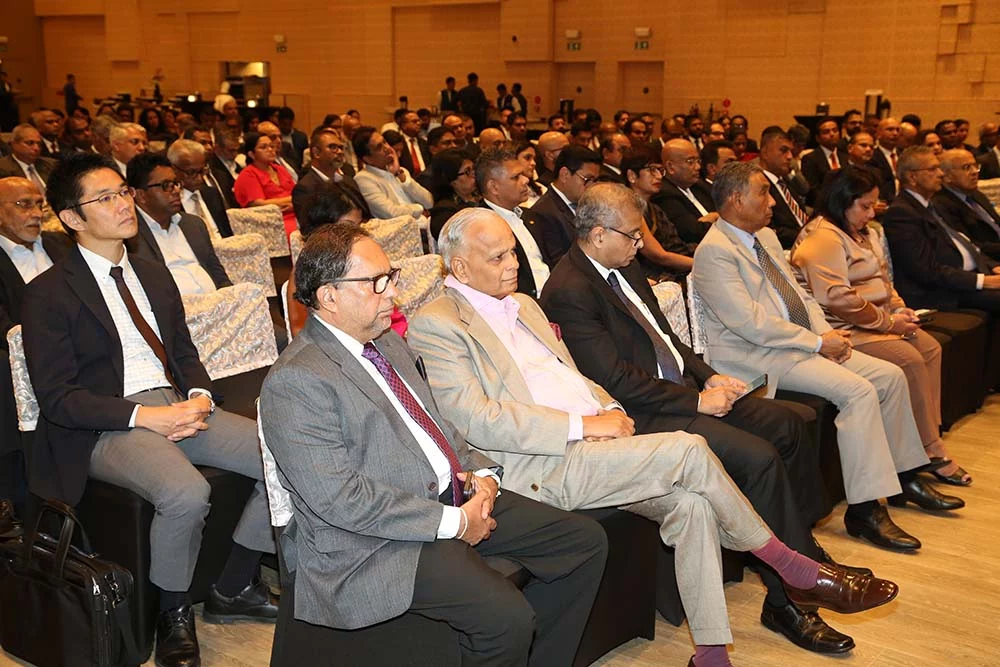
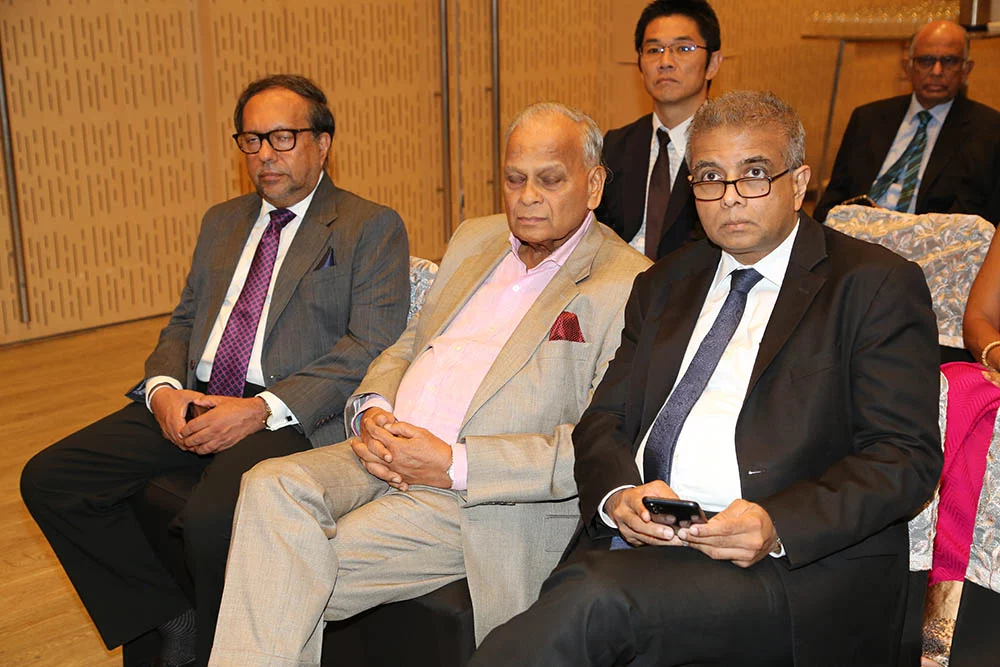
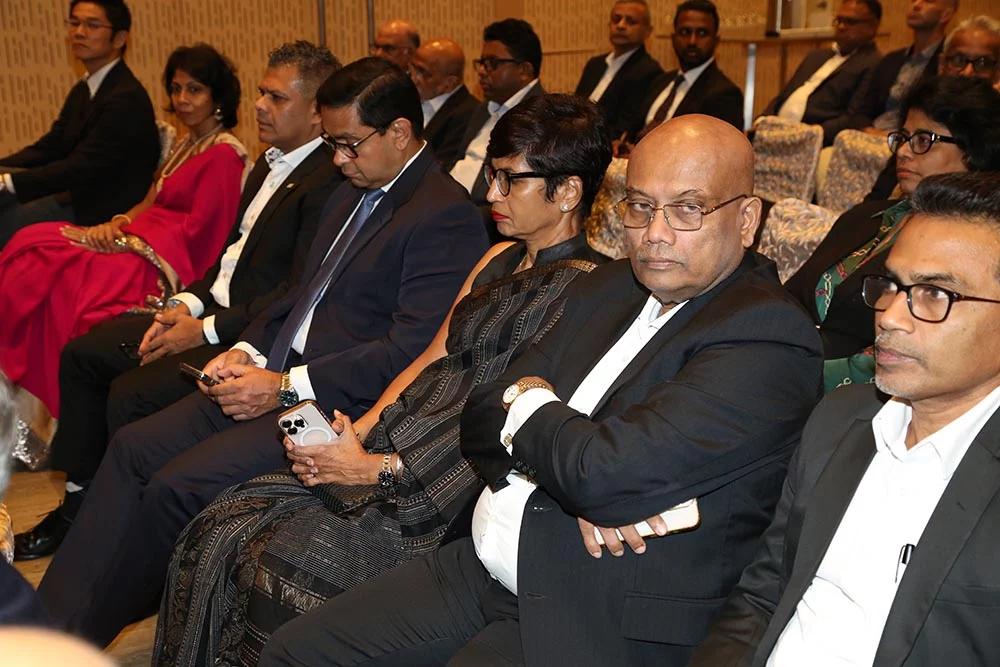
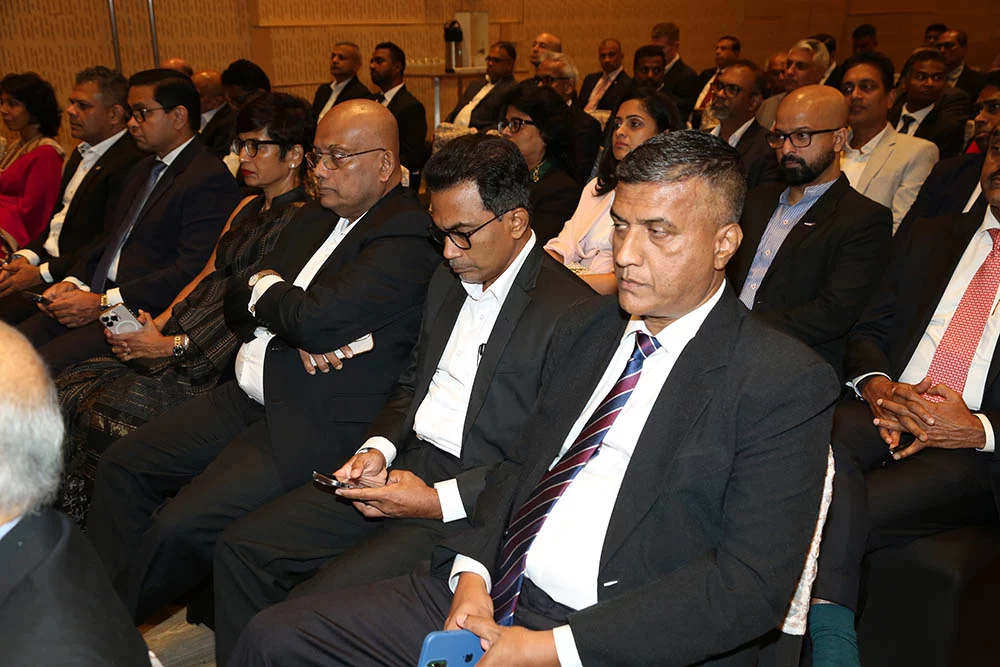
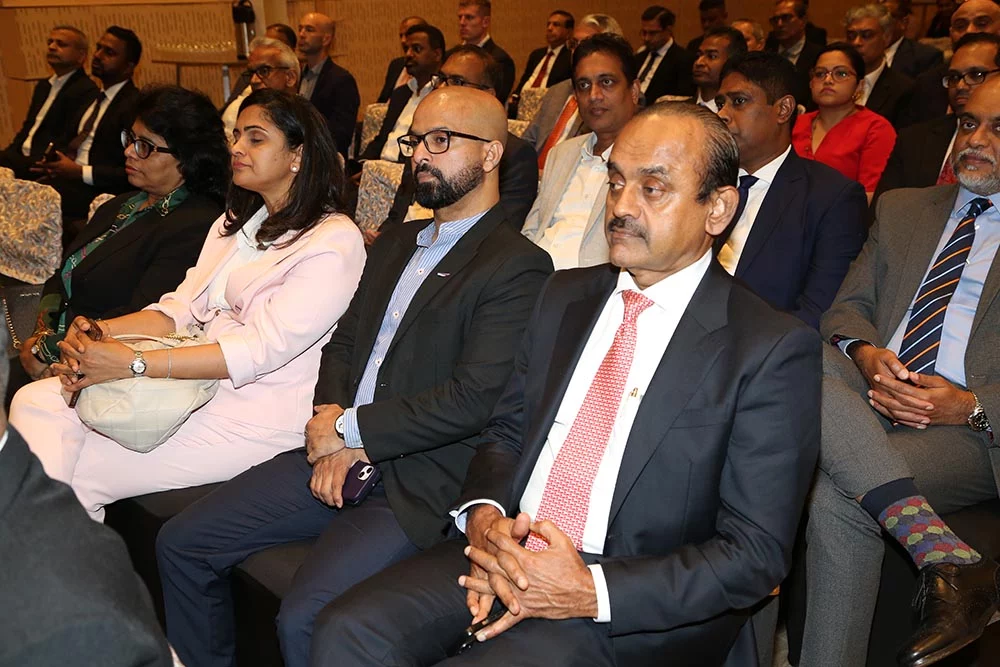
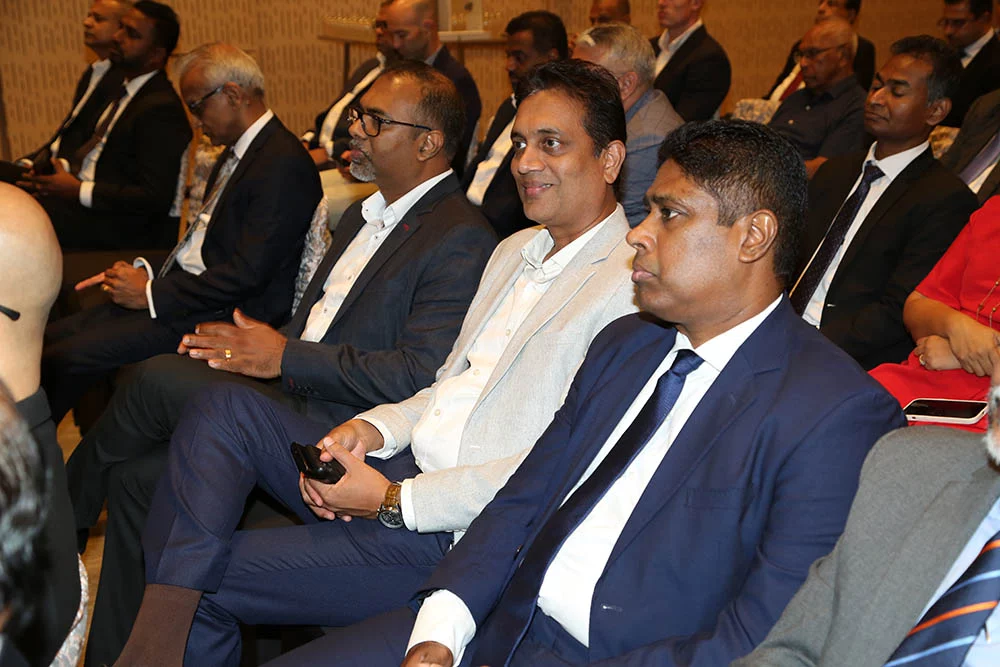
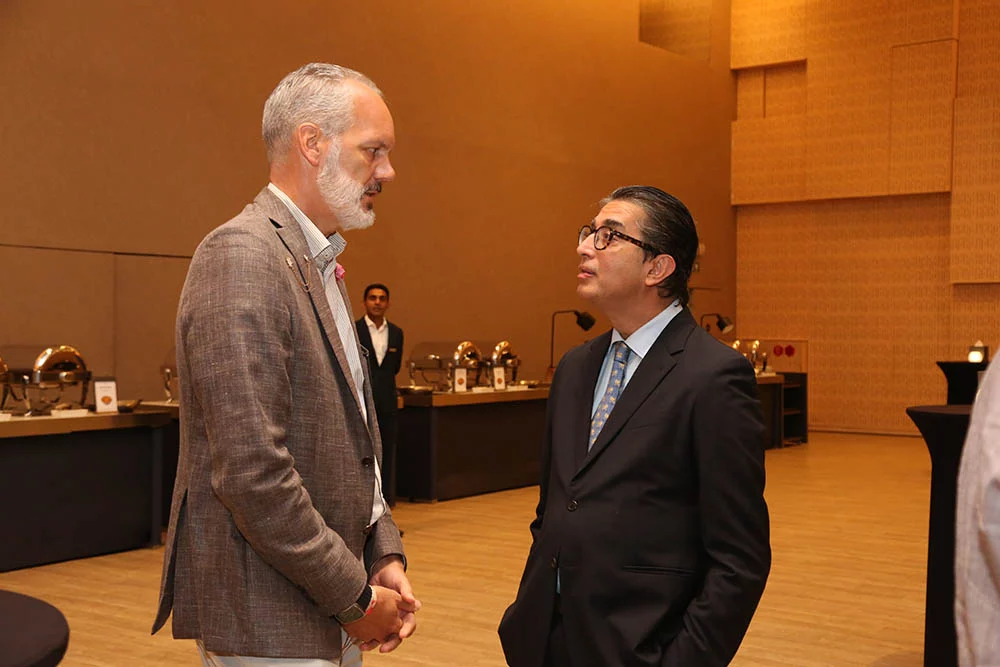
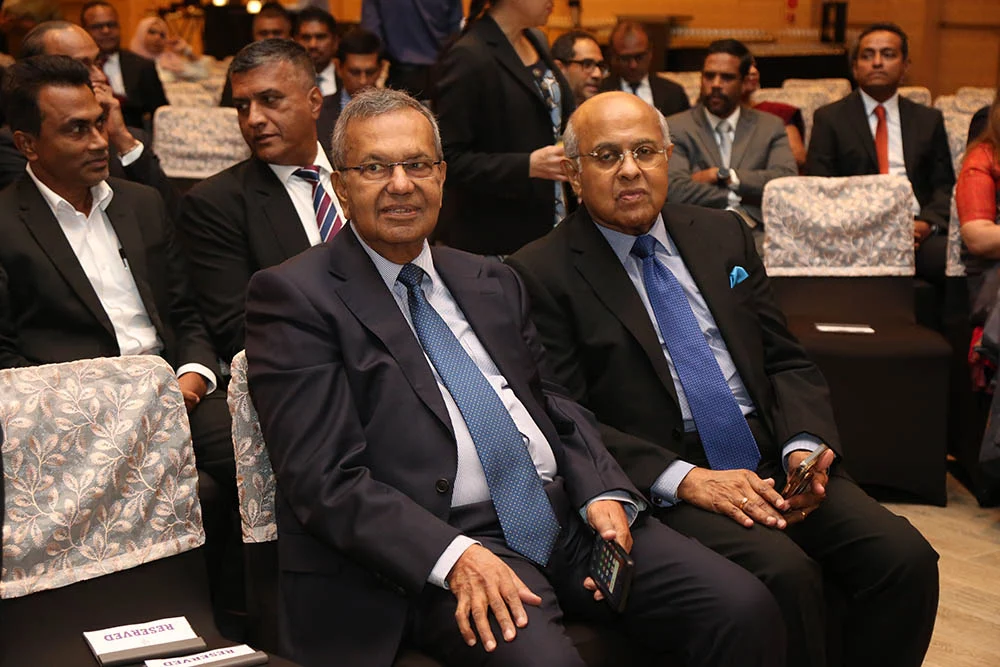
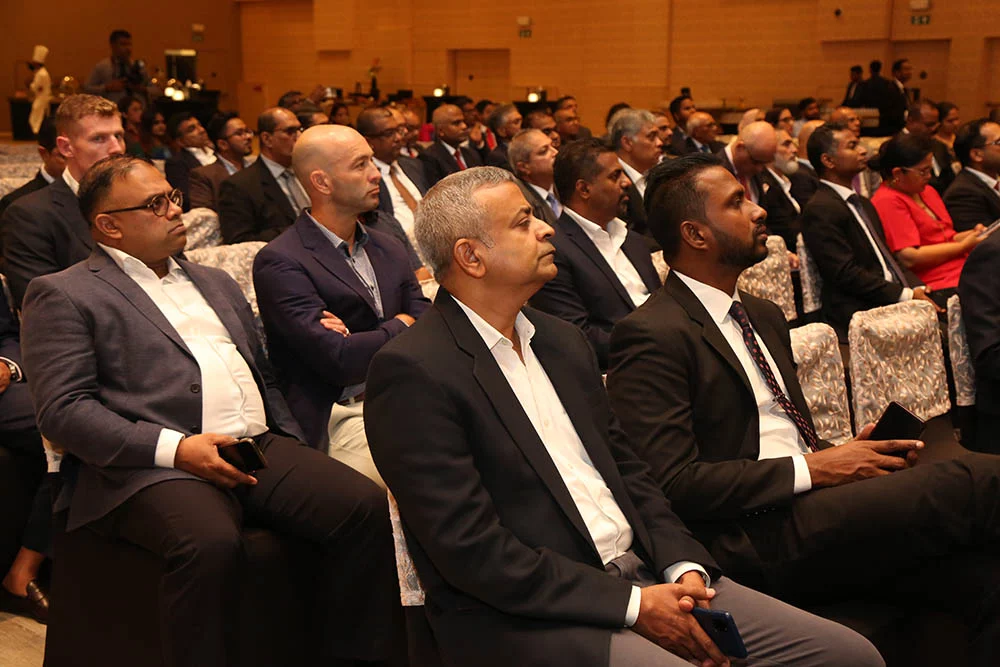
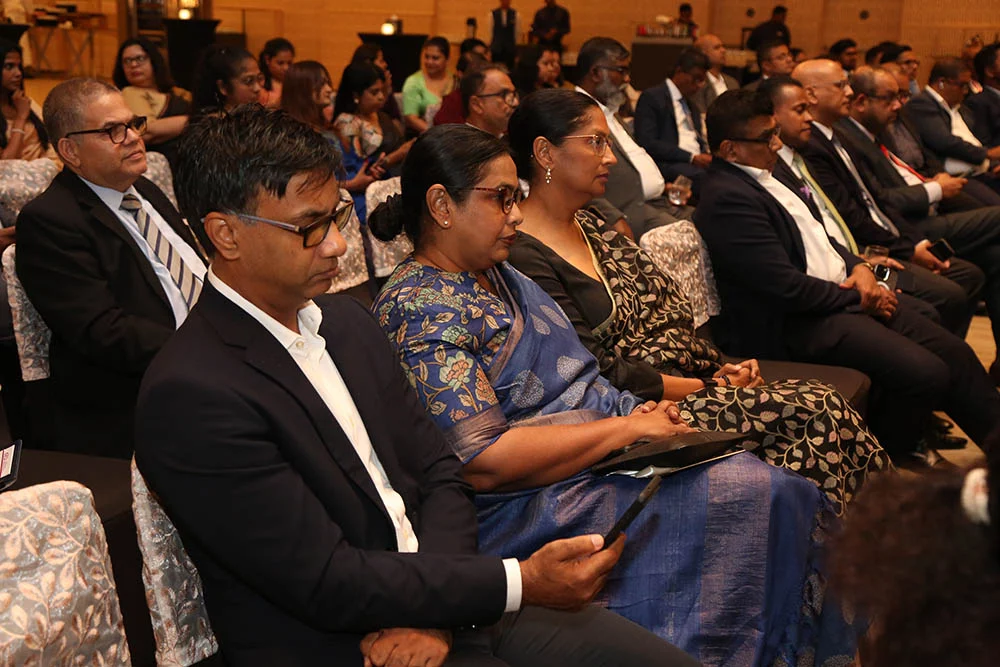
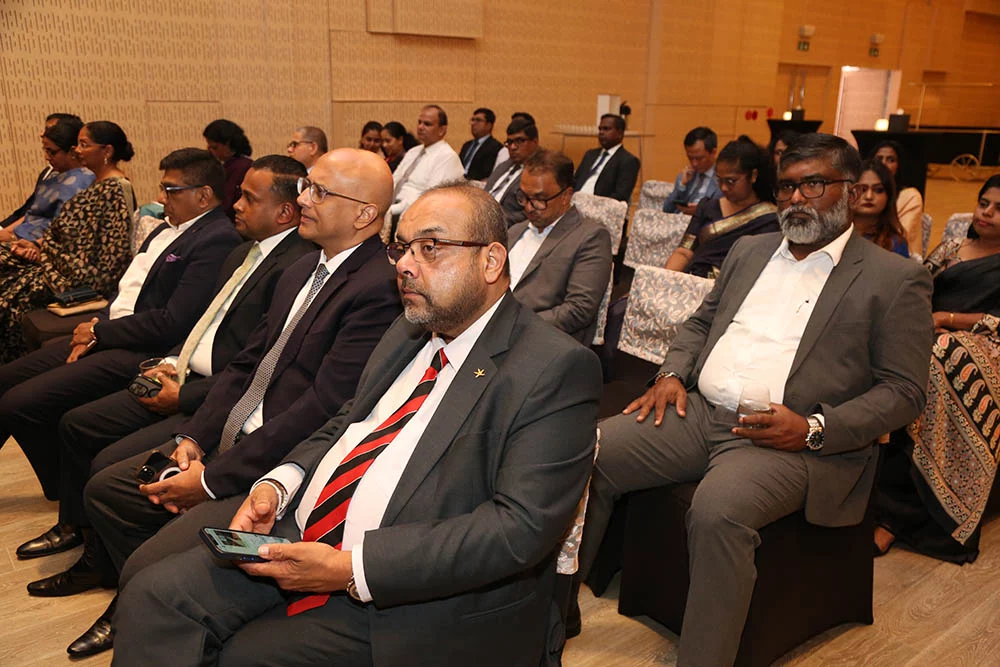
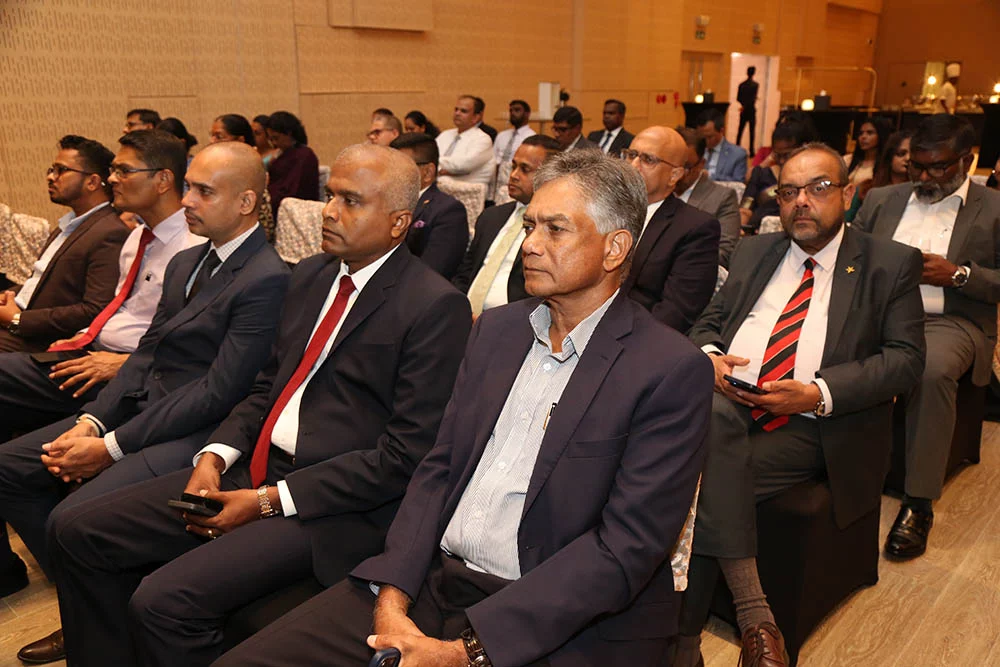
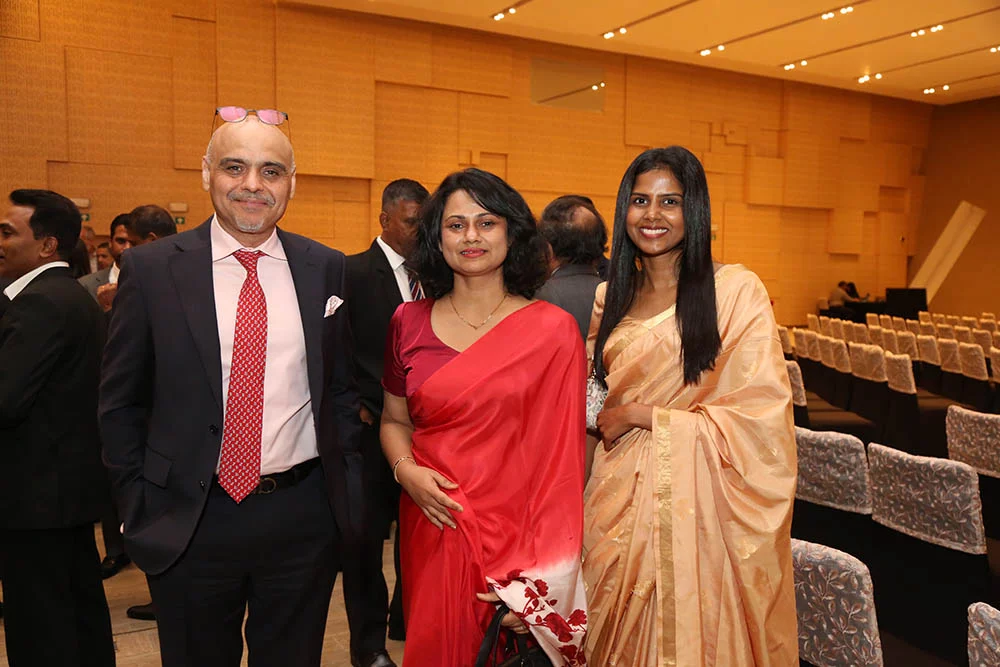
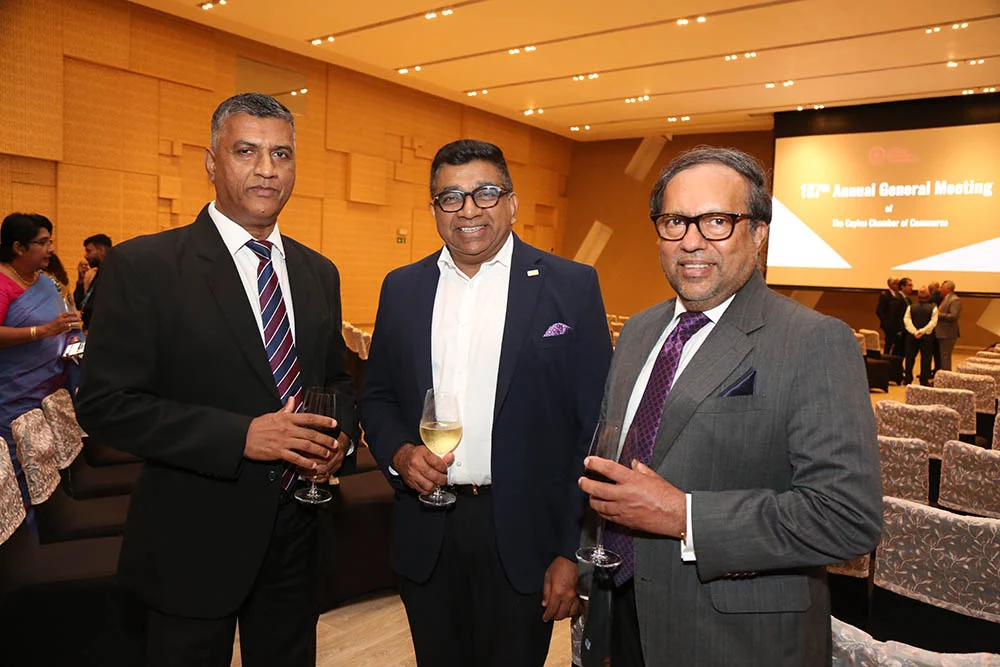
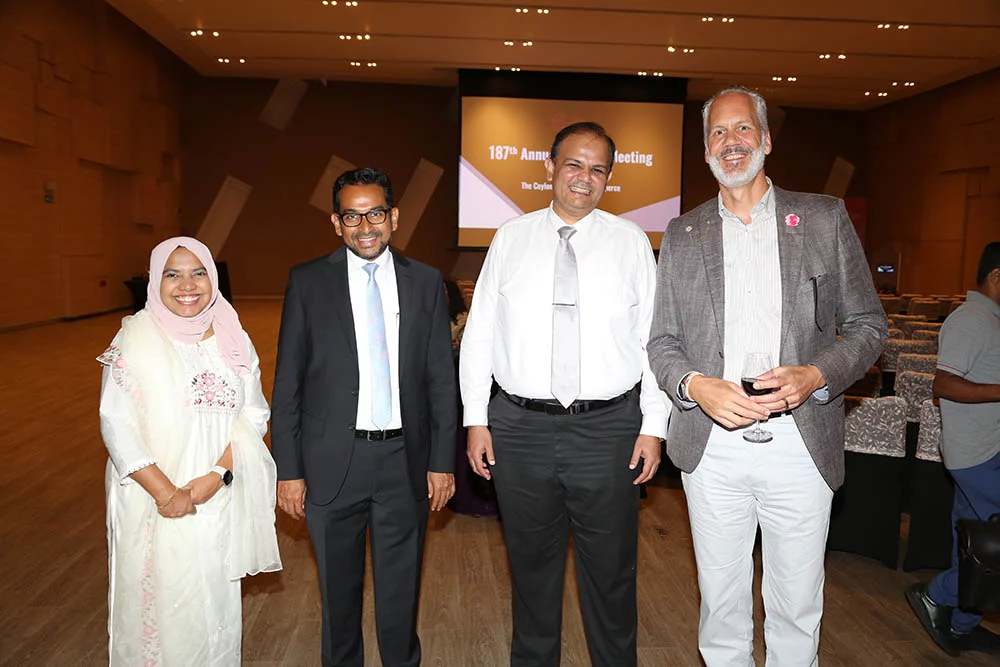
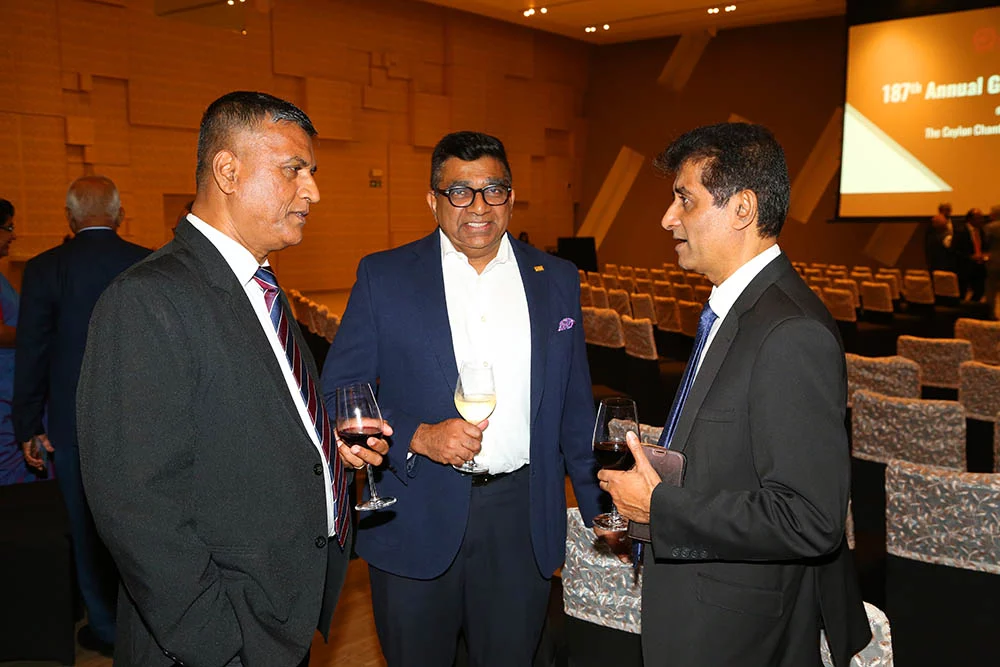
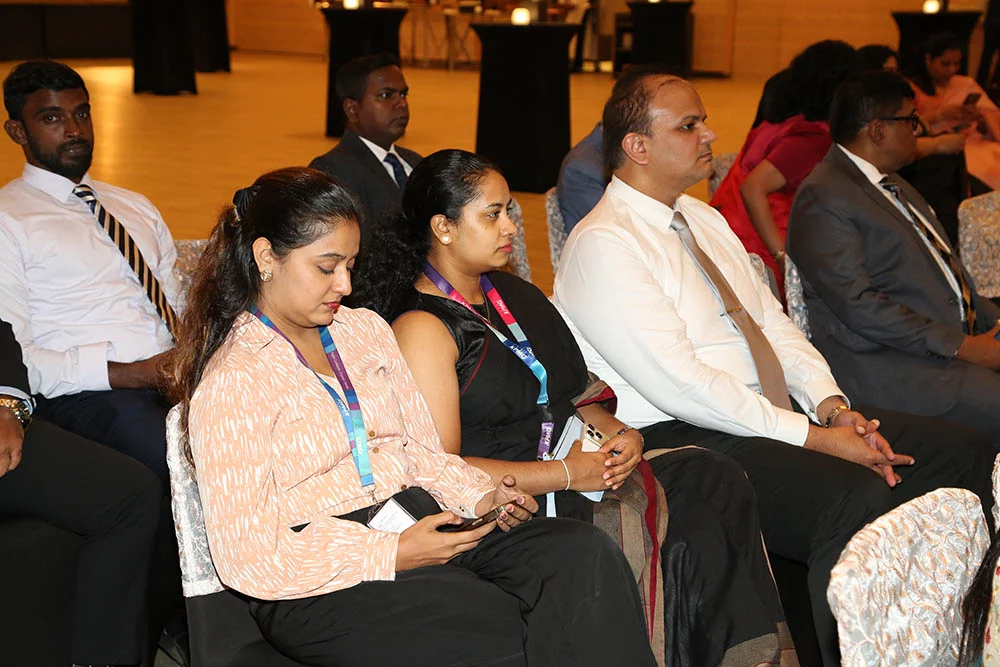
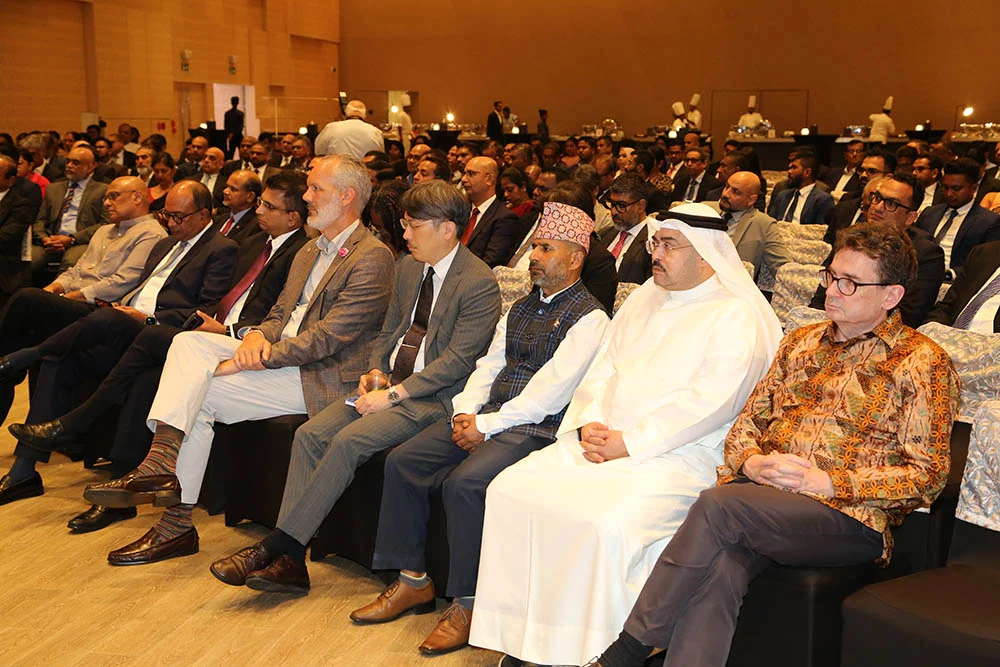
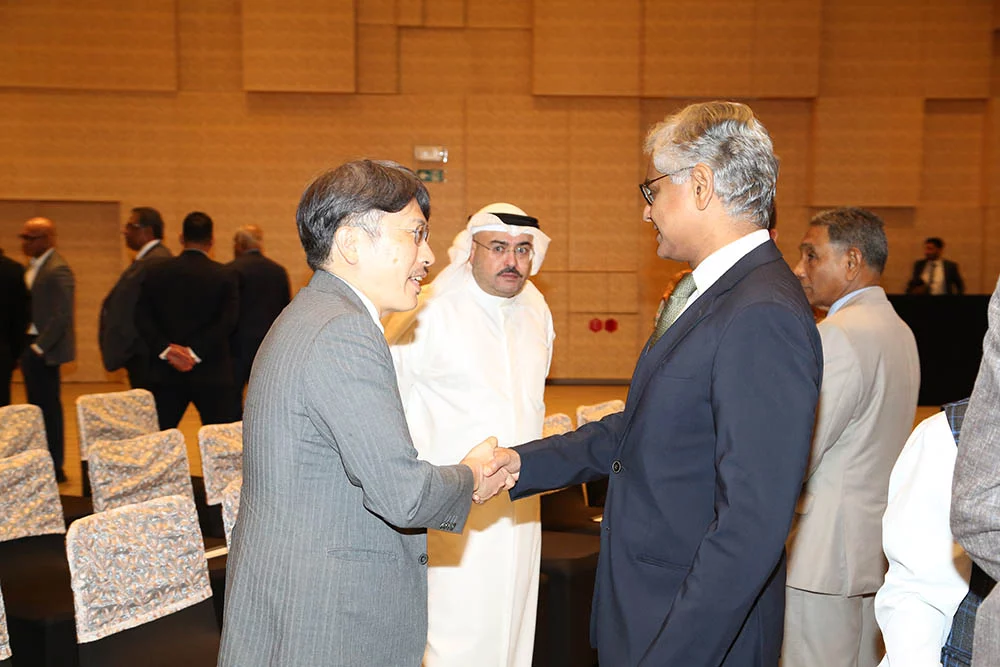
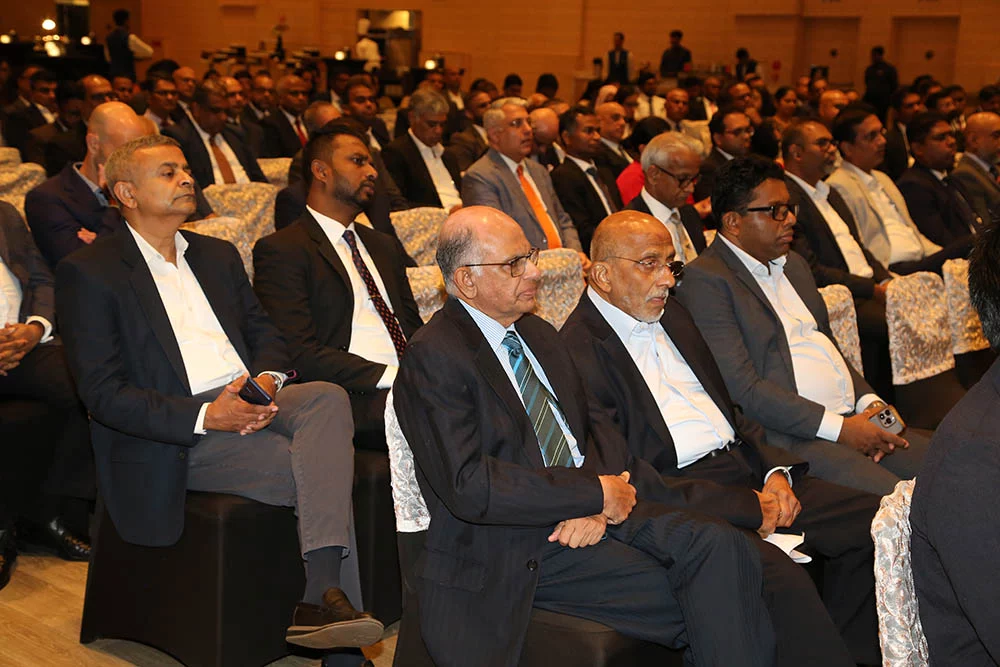
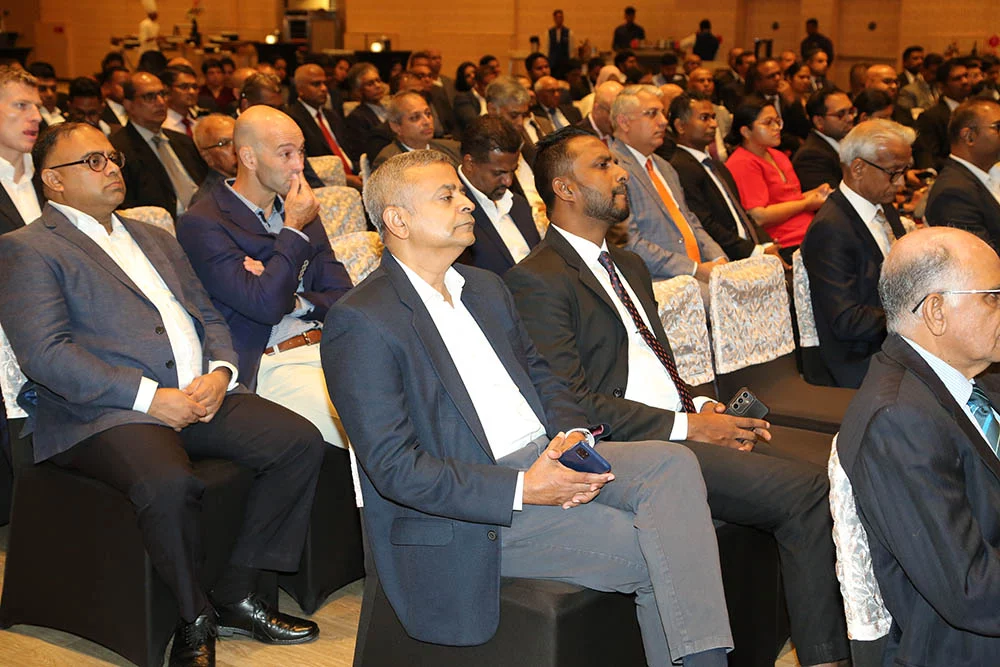
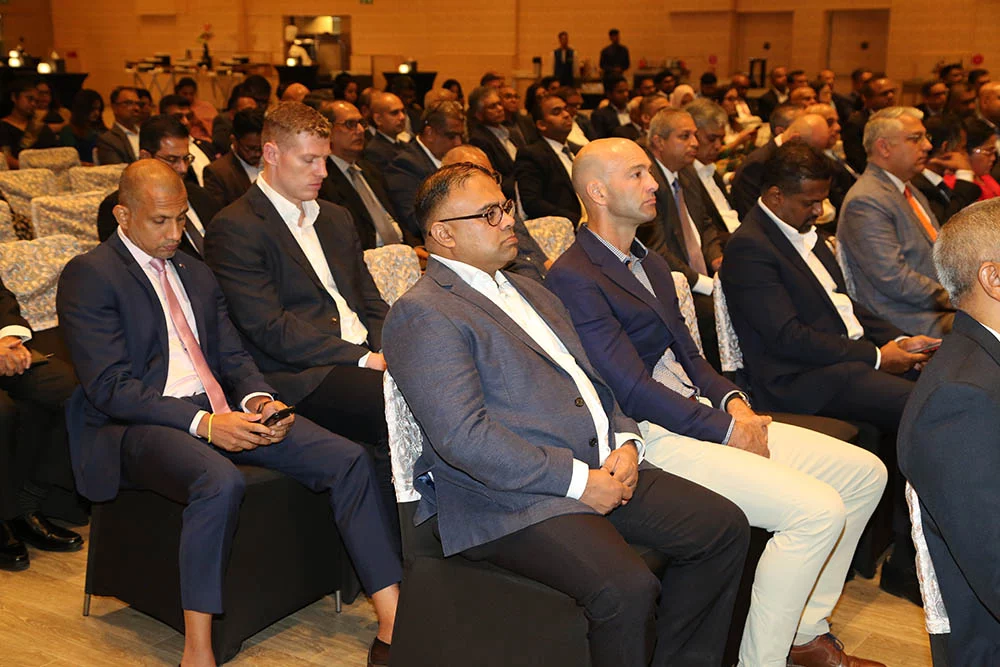
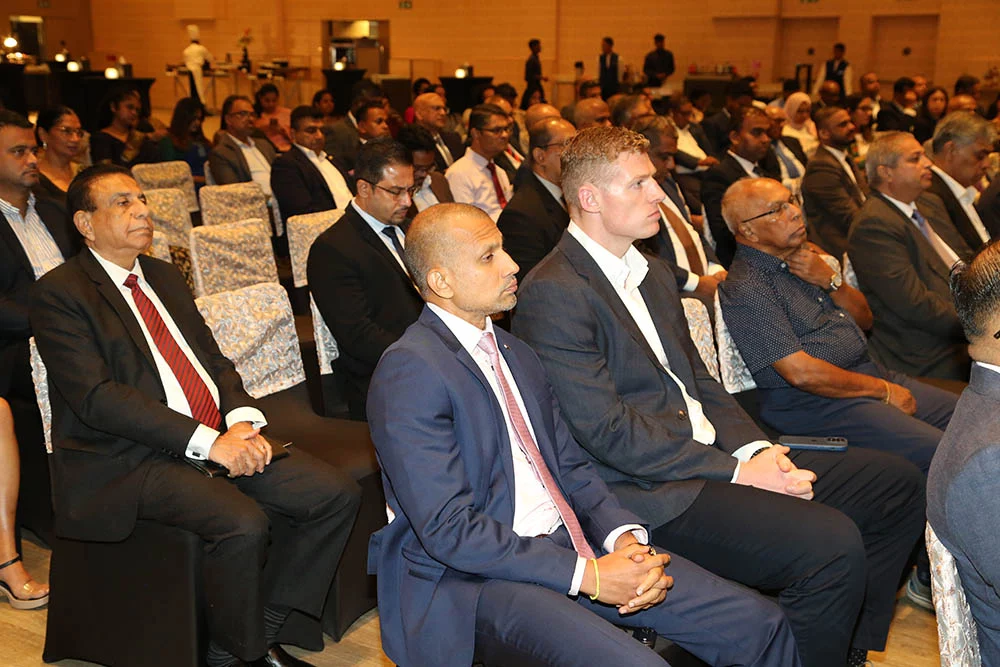
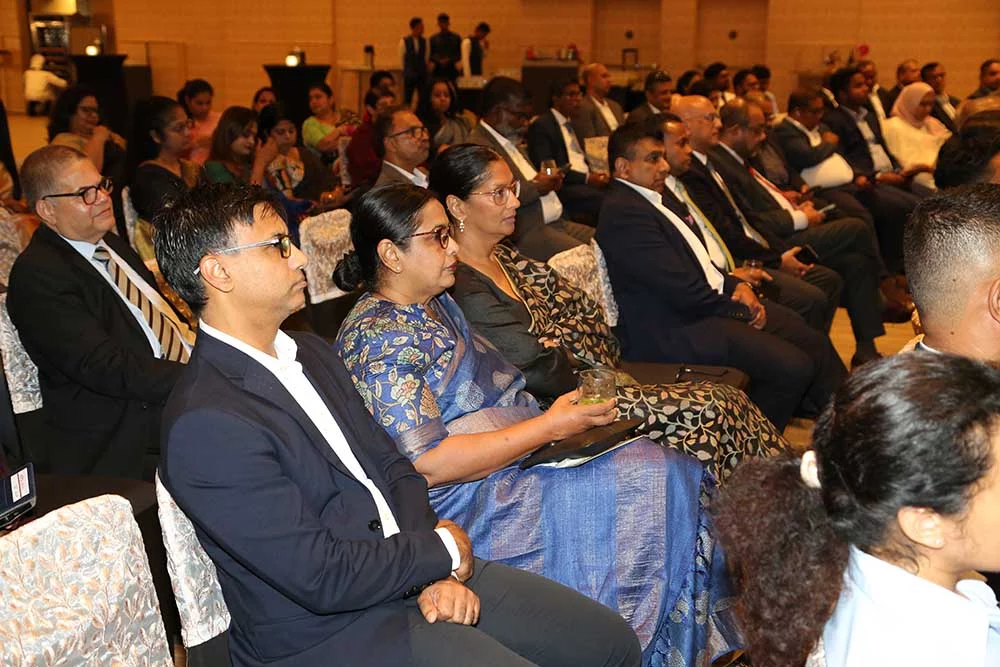
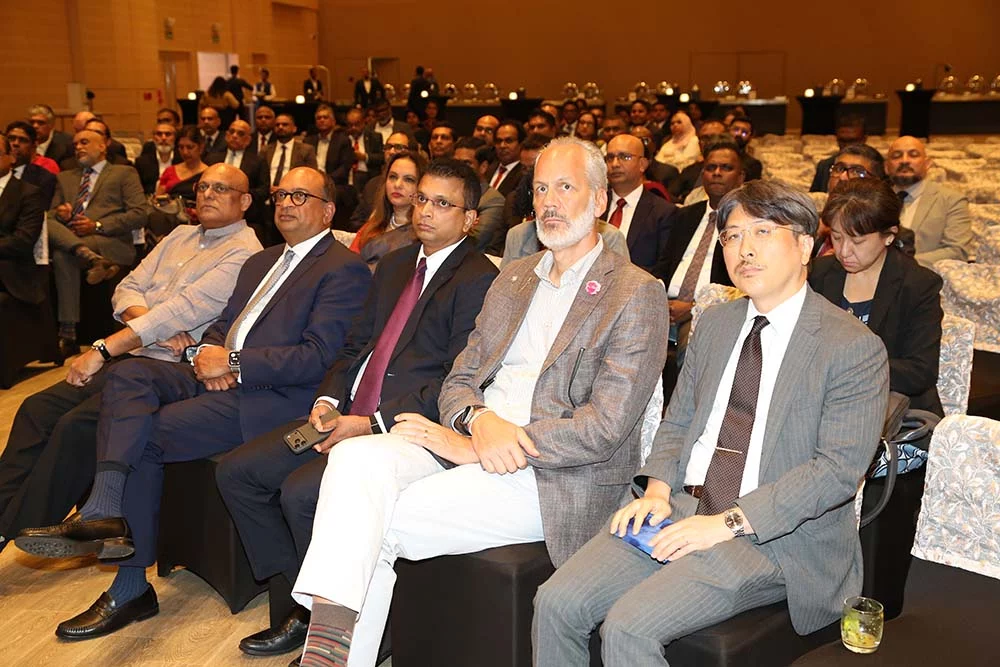
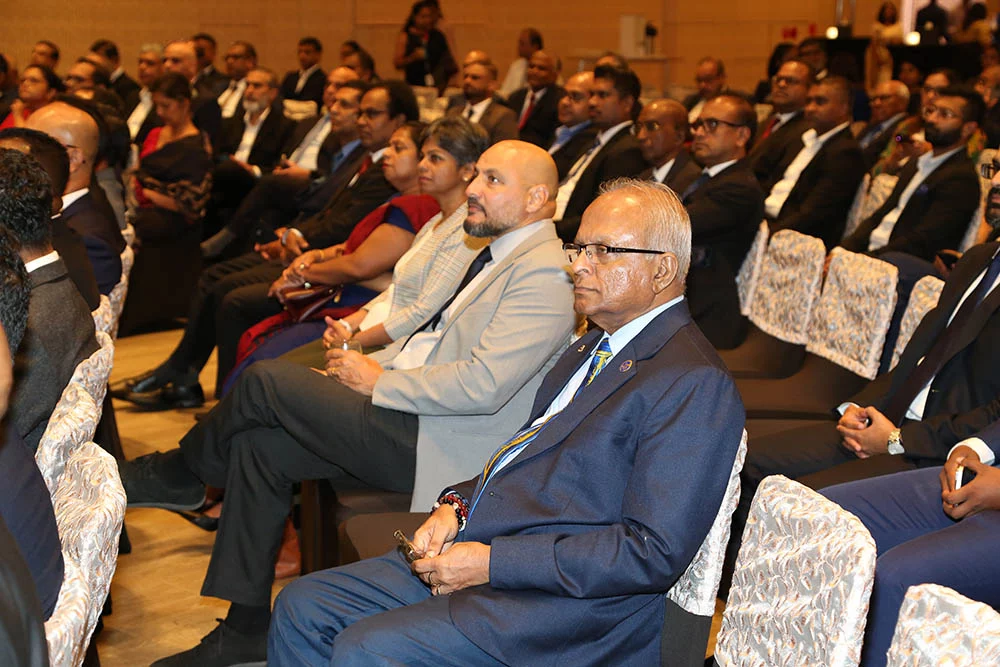
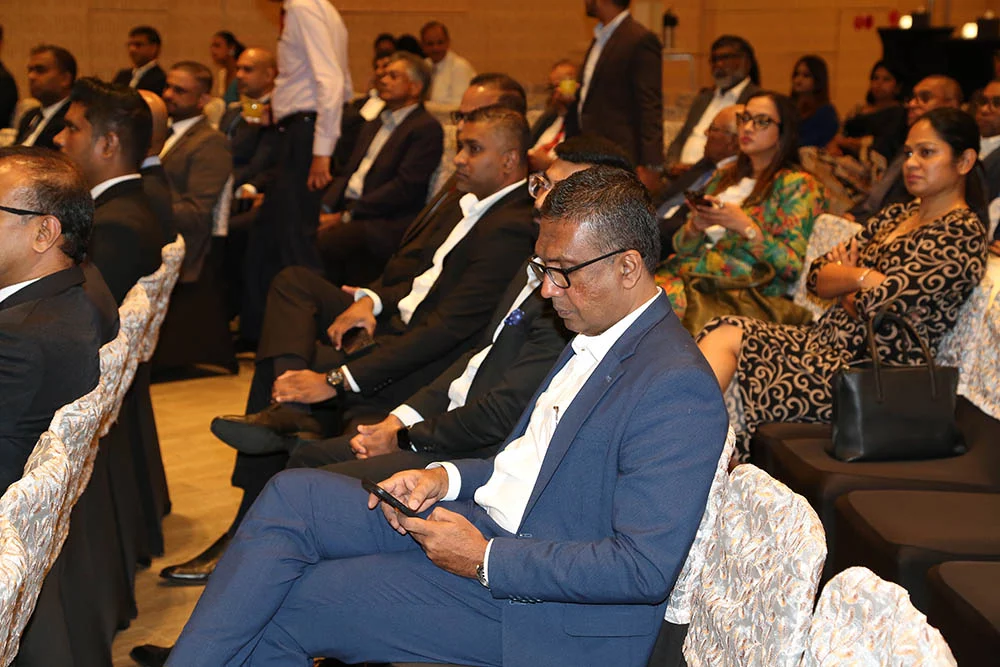
187th Annual General Meeting

Chairperson's Speech
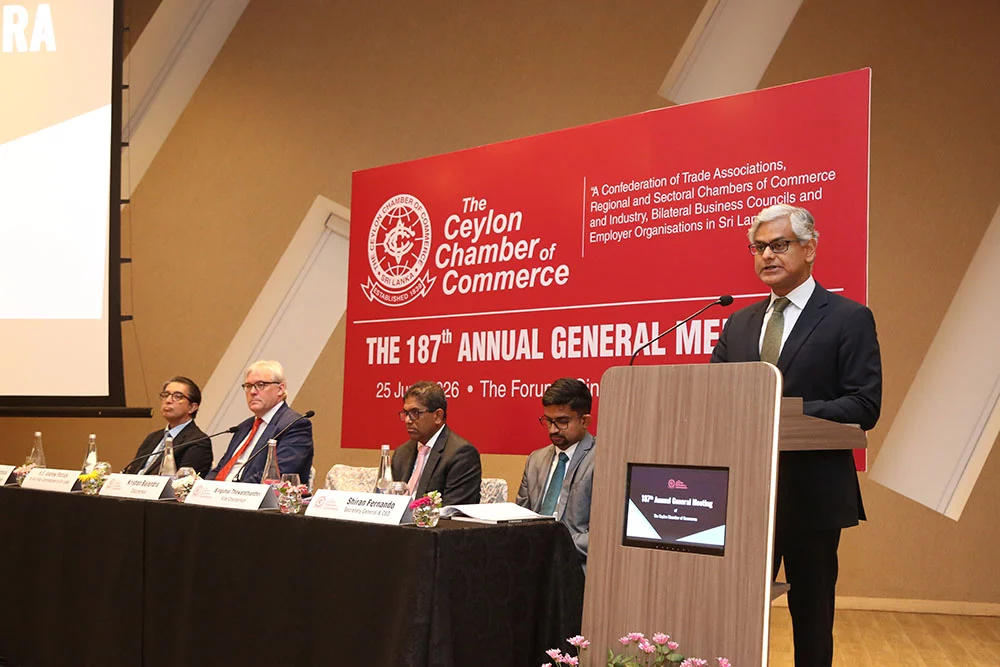
Good Evening
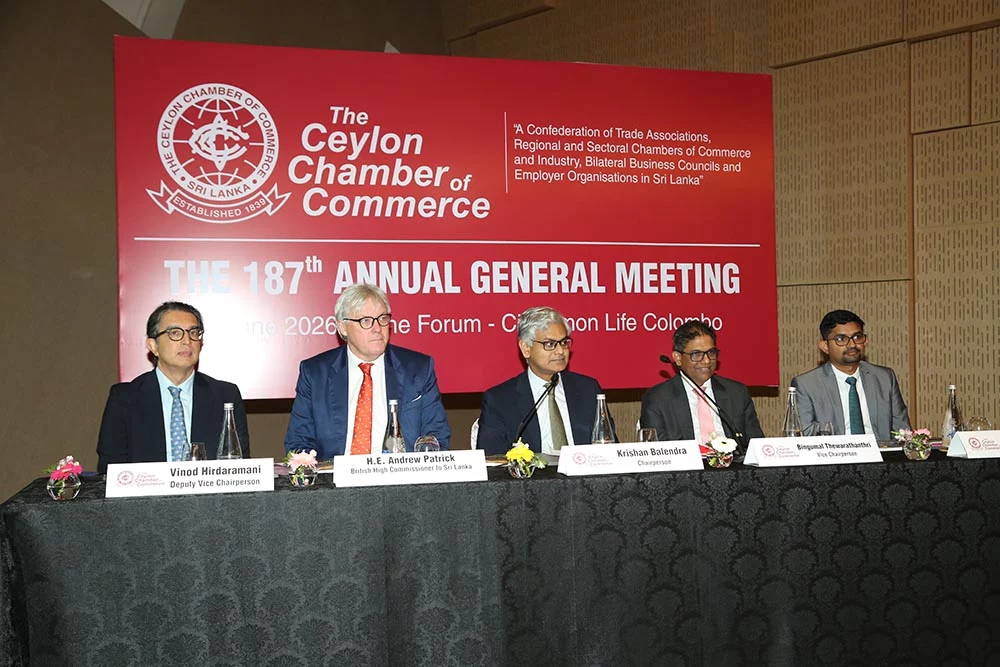
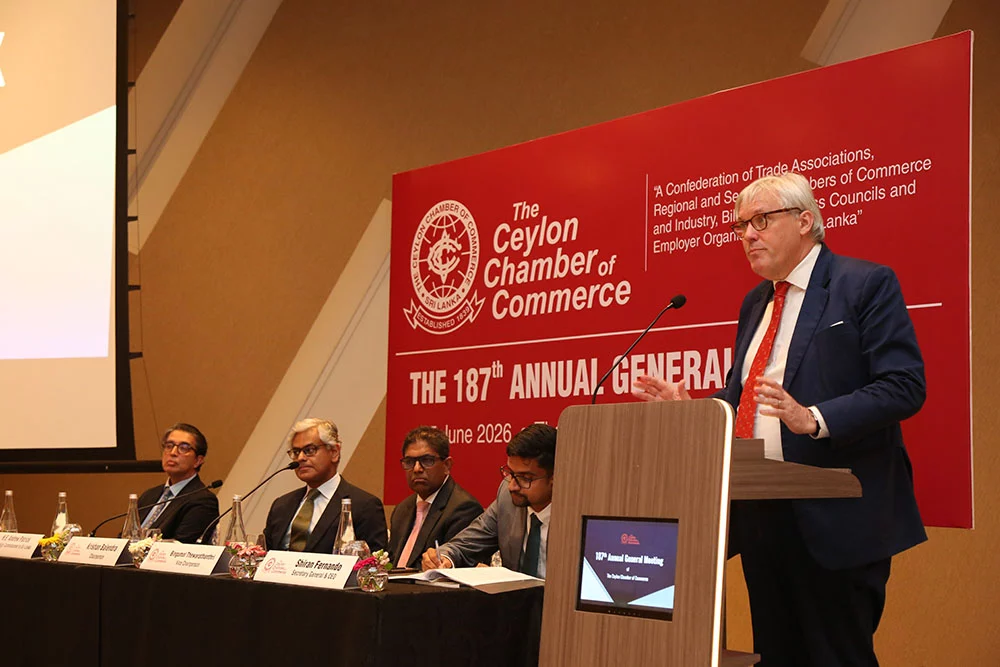
Our Chief Guest, His Excellency Andrew Patrick, British High Commissioner to Sri Lanka, Heads of Diplomatic Missions, Past Chairpersons of the Ceylon Chamber, Vice Chairperson Mr, Bingumal Thewarathanthri, Deputy Vice Chairperson Mr. Vinod Hirdaramani, Members of the Committee, CEO and Secretary General Mr Shiran Fernando, Secretariat of the Chamber, Distinguished invitees, Ladies and Gentlemen.
As I reflect on my first year as Chairperson of the Ceylon Chamber of Commerce, I am proud of the progress we have made in strengthening the Chamber’s role, not merely as the voice of business, but as a trusted ecosystem enabler in Sri Lanka’s economic transformation.
Over the past year, we have deliberately evolved our approach. While policy advocacy remains central to our work, we have increasingly focused on creating meaningful dialogue between government, our members, development partners, and international stakeholders. Our objective has been simple: to move beyond identifying problems and instead provide practical, actionable solutions that can be implemented.
This shift has yielded tangible results.
Through our engagement in the Budget 2026 process, 18 recommendations proposed by the Chamber were incorporated into the national budget, covering areas such as trade facilitation, investment promotion, digitalisation, infrastructure, and improving the ease of doing business. This builds upon the strong momentum established in previous years and demonstrates the value of evidence-based, constructive engagement.
The Chamber also contributed to addressing emerging global trade challenges, including US tariff-related issues affecting Sri Lankan exports. By representing private sector perspectives in Presidential Committees, we supported efforts to safeguard export competitiveness and strengthen trade resilience.
On the recent amendments to the Inland Revenue Act, the Chamber played a pivotal role in advocating for changes to several provisions in the original Bill, particularly those relating to thin capitalization, concerns raised by the insurance sector, and restrictions on the admissibility of evidence. Through constructive engagement with the relevant authorities, the Chamber was able to secure outcomes that addressed key private sector concerns, with these revisions ultimately reflected in the final amendments passed by Parliament.
We also continued our close collaboration with international financial institutions, particularly during multiple IMF review missions, ensuring that the member’s perspective remained an integral part of Sri Lanka’s reform journey and economic stabilisation efforts.
One example that highlights our new approach occurred earlier this year when geopolitical tensions escalated in the Middle East towards the end of February. Recognising the potential impact on fuel prices, shipping routes, freight costs, and export competitiveness, the Chamber quickly provided actionable recommendations for swift implementation by policymakers with the input of our members and policy advocacy committees.
Encouragingly, several of these recommendations were acted upon by the Government through enhanced inter-agency coordination and measures aimed at maintaining trade flows and supporting exporters during a period of heightened uncertainty. This demonstrated the value of timely public-private dialogue and reinforced the Chamber’s role as a solutions-oriented institution.
Throughout the year, we also intensified our efforts to address long-standing structural constraints. We worked closely with Sri Lanka Customs, the Ministry of Finance, and the Sri Lanka Ports Authority to resolve challenges relating to export clearance delays, VAT refunds, port congestion, and cargo inefficiencies. We continued to advocate for reforms to the Customs Ordinance and the implementation of the National Single Window, both of which remain critical to enhancing Sri Lanka’s trade competitiveness. With respect to the Customs Ordinance, the Chamber actively participated in the Customs Ordinance Review Committee established by the Presidential Secretariat. We are hopeful that the final amendments will modernize the legal framework, streamline customs procedures, and further facilitate trade.
Beyond advocacy, we significantly expanded our engagement footprint. We strengthened partnerships across more than 20 countries, conducted over 60 workshops and technical discussions, and supported more than 1,800 SMEs through training, advisory services, and market access initiatives. Through 20 inbound and outbound trade delegations, we created new opportunities for Sri Lankan businesses to connect with international markets.
We also placed sustainability at the centre of our agenda, actively contributing to climate policy discussions, supporting businesses on climate finance and carbon markets, and launching initiatives such as the National SME Forum and the inaugural DEI Champion Awards to promote inclusive growth.
Our flagship Sri Lanka Economic Summit introduced a dedicated investment focus in 2025, convening over 850 participants, including more than 100 international delegates from 20 countries. The discussions were shaped by the priorities of post–Cyclone Ditwah recovery, private sector-led rebuilding, resilience, and sustaining investment momentum. Meanwhile, the 22nd edition of the Best Corporate Citizens Sustainability Awards continued to serve as Sri Lanka’s premier platform for recognising corporate excellence in sustainability.
As we look ahead, we are building on this momentum through a new three-year strategy that will further strengthen the Chamber’s role as an ecosystem enabler and a catalyst for economic transformation. We will deepen engagement with members, strengthen global partnerships, enhance support for SMEs, and accelerate efforts to promote exports and attract investment.
The challenges ahead remain significant, but so do the opportunities. Success will require continued collaboration, policy consistency, and a shared commitment to reform.
Finally, I would like to express my sincere appreciation to our members, committee members, Board, partners, and stakeholders for their trust and support throughout this first year. Together, we have demonstrated that when business and government engage constructively, we can deliver meaningful outcomes for the country.
Together, let us continue to build a more competitive, resilient, and prosperous Sri Lanka.
Thank you.